Which selling points of a Yixing Zisha Teapot resonate most with environmentally conscious buyers?
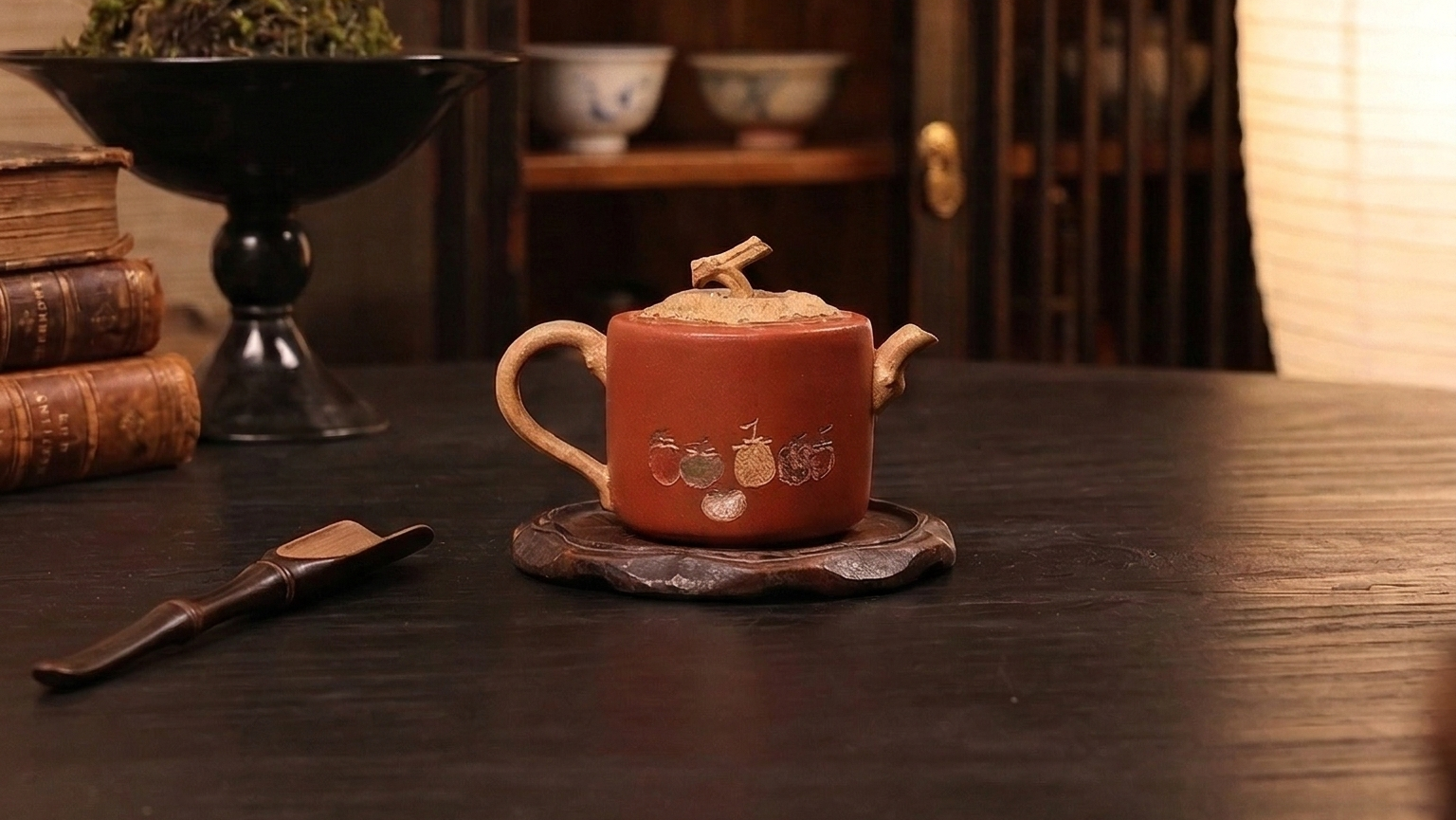
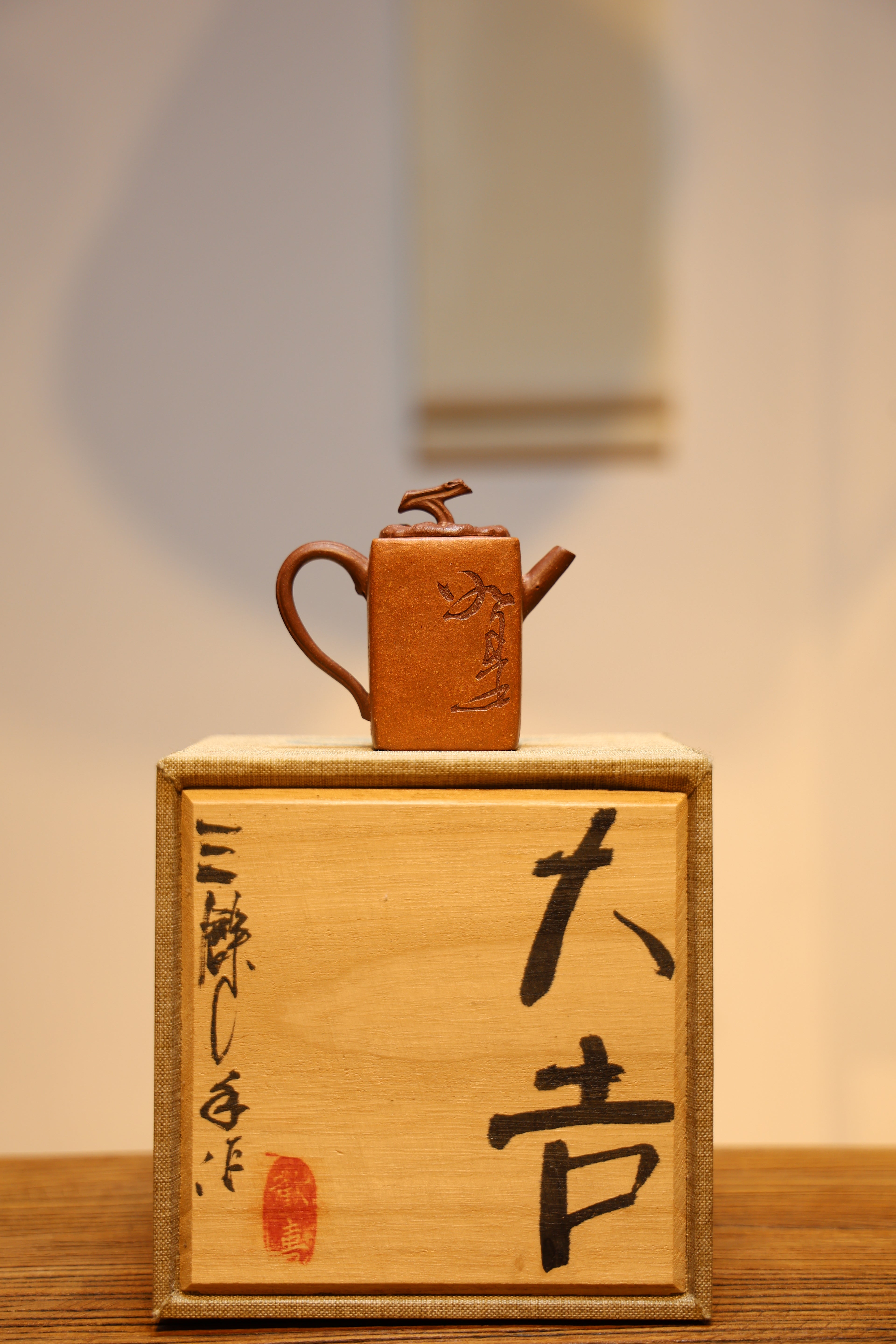
Eras in enthusiasts have long yearned the special allure of Yixing Zisha containers. Coming in the modest town of Yixing, the territory, these urns are constructed from a infrequent and dug purple clay famous for its extraordinary thermal attributes and capacity to improve the richness of potions. Besides their utilitarian benefit, Zisha teapots embody a rich cultural background, fashioning them notably esteemed and a real find for any serious teapot connoisseur.
Surveying Yixing Containers
Authentic teapots represent a distinct unification of history and masterful craftsmanship. Coming in Yixing, Jiangsu Sector of China, their narrative begins from the Ming Dynasty, although documentation suggest earlier manifestations. The rare maroon clay, called Zisha, found only in the Yixing region, is the paramount component, contributing to the pots' remarkable heat stability and the manner they control the profile of tea. Successive eras of potters have polished techniques—often bestowed through families—including modeling the clay, applying exquisite embellishments, and firing the pots at specific temperatures.- Earlier, Yixing teapots were often enhanced with simple designs.
- Subsequently, more refined carvings and representative motifs became trendy.
- The heat application itself is a crucial element, requiring years of practice.
Assembling Zisha Teapots: Key Guidelines
Embarking on a venture to collect Zisha pots can be profitable, but it’s vital to discern what to examine. Authenticity is fundamental; focus on the terrain’s natural color, a subtle reddish-brown is standard. Examine the structure; genuine Zisha has a characteristic tactile sensation, often expressed as slightly uneven. The contour should be symmetrical and consistent with historical styles, while inscriptions, if present, require careful examination for validity. Don’t avoid to consult with savvy dealers or reliable databases – their insight is indispensable.
Eastern Pots: Discovering the Culture of famous Ceramics
Ages have seen Yixing Purple Earth teapots possess a remarkable role in Chinese civilization. These finely fashioned pots, sourced distinctively from the locale of Yixing, are famous for their unique tone, grain, and their ability to amplify the quality of liquids. Many collectors desire antique Yixing teapots, regarding them immensely not only for their aesthetic attractiveness, but also for the records they stand for.
Yixing Zisha Teapots: An Premier Categories and Their Qualities
Yixing Pottery teapots, sourced from the renowned district of Yixing, the country, are esteemed for their singular clay and excellent brewing powers. Amongst the many Zisha types, the varieties that are highly treasured include Qingtian. Binzhou, known for its strong purple shade and smooth texture, delivers a tempered flavor. Duan Ni Zisha, recognizable by its rusty color and a bit grainy feel, is thought to enhance a heft. Lastly, Zhuni sort boasts an extraordinary scarlet tone and can impart a nice nuance. Each sort delivers a unique experience, making them considerably desirable between infusion enthusiasts.
Achieving Your Ceramic Pitcher
To unleash the wonder of your Yixing pitcher, mastering the correct approach is necessary. These clay earthenware, celebrated for their permeability, will gradually embrace the heart of the tea you brew within them. Begin by purifying the pot thoroughly with hot water. Then, use only first-class broken leaf tea, as lower quality options can damage the premise’s delicate character. Always give the leaves to spread completely, and remember that with each use, your Yixing pitcher will become ever esteemed.
Preserving Your Beloved Zisha Item
Proper maintenance for your Zisha pitcher is critical to securing its longevity and price. Zisha clay, recognized for its unique tinge and feel, requires precise handling. Zisha Teapot Never use strong formulas, as these can affect the veneer. After every session, rinse the pitcher with lukewarm water and allow it to evaporate completely.
- Avoid soaking the pot for extended sessions.
- From time to time use a soft polishing cloth to clean the exterior.
- Deliberate applying a thin layer of food-grade mineral oil inside the pot after drying, which can limit staining.
Overview of Yixing Teapots
Yixing brew vessels, originating from the Yixing zone in Jiangsu Province, of China, are celebrated for their distinctive traits. Shaped from the unique purple earth known as Zisha, these kettles are prized by potion enthusiasts worldwide. This summary will simply explain the essentials – covering categories of Zisha matrix, widespread shapes, and crucial care notes. Understanding the genesis of Yixing clay pots can expand your appreciation for this classic example of Far Eastern civilization.
Fabrication of Chinese Vessels: Emphasizing Zisha produced in the Yixing territory
Zisha pottery from the Yixing region represents the maximal point of Han kettle design, projecting a exceptional concoction of natural beauty and functional artistry. These remarkable pieces are famed for their vibrant shades, often covering robust purples and chestnut hues to light greys and gentle beiges. The unique mineral composition of the exclusive Zisha terrain imparts a identifying texture and offers a enjoyable aroma that increases the whole beverage experience, transforming them greatly prized collectibles and critical components of any serious brew.